
Jaw Surgery in Daly City & San Francisco & San Mateo
Common Bite Problems Corrected with Jaw Surgery
Jaw surgery can address a wide range of skeletal jaw discrepancies that affect both oral health and facial harmony. While braces and clear aligners can move teeth into better positions, they cannot correct significant jaw misalignment. When the upper and lower jaws are not properly positioned, corrective jaw surgery may be recommended to restore function and balance.
Jaw surgery may be used to correct:
Underbite
An underbite occurs when the lower jaw extends beyond the upper jaw. This can make chewing difficult, contribute to uneven tooth wear, and affect facial appearance.
Overbite
A severe overbite can place excessive stress on the teeth and jaw joints. Surgical correction may improve bite alignment and overall comfort.
Open Bite
Patients with an open bite are unable to fully close their front teeth together. This condition can interfere with eating, speaking, and normal oral function.
Crossbite
A crossbite occurs when some upper teeth fit inside the lower teeth instead of outside them. Over time, this can lead to uneven tooth wear and jaw discomfort.
Facial Asymmetry
When one side of the jaw develops differently than the other, it can create facial imbalance and functional concerns. Jaw surgery can improve symmetry and bite function simultaneously.
Benefits of Corrective Jaw Surgery
Corrective jaw surgery provides benefits that extend beyond aesthetics. Many patients experience significant improvements in daily activities and overall quality of life after treatment.
Potential benefits include:
- Improved chewing efficiency
- Better speech clarity
- Reduced strain on jaw muscles
- Enhanced facial balance and profile
- Improved breathing in some patients
- Better long-term dental health
- More comfortable bite alignment
- Increased confidence in appearance
Because every patient’s anatomy is unique, treatment is customized to achieve both functional and cosmetic goals.
Your Jaw Surgery Treatment Timeline
Understanding the treatment process can help patients feel more prepared and confident.
Initial Consultation
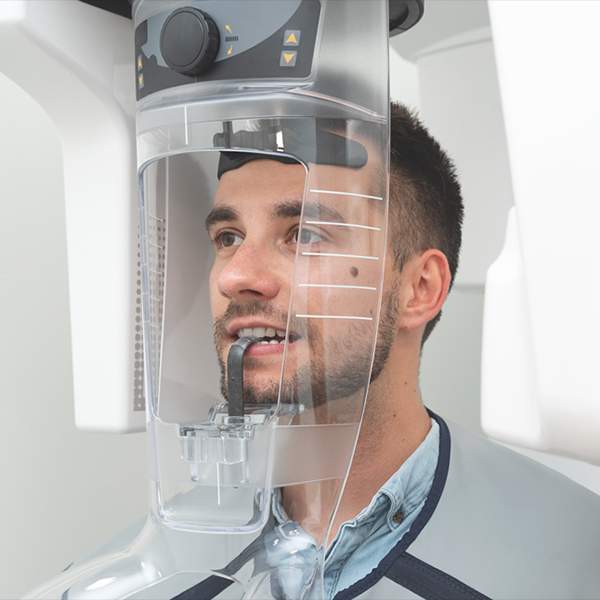
During your consultation, Dr. Dela Rosa will evaluate your bite, facial structure, jaw function, and overall oral health. Advanced imaging and digital planning technology allow us to create a highly detailed treatment plan.
Orthodontic Preparation
Many patients wear braces or aligners before surgery to position the teeth properly. This stage helps ensure optimal results once the jaws are repositioned.
Surgical Procedure
Jaw surgery is typically performed under general anesthesia in a hospital or surgical facility. Depending on the complexity of the case, surgery may involve the upper jaw, lower jaw, chin, or a combination of procedures.
Recovery and Healing
Most patients return to work or school within several weeks, although complete healing occurs gradually over several months. Follow-up appointments allow our team to monitor your progress and ensure a smooth recovery.
Jaw Surgery and Sleep-Related Breathing Issues
In some cases, jaw positioning can contribute to airway restriction and breathing difficulties. Patients with certain jaw structures may experience symptoms such as snoring, mouth breathing, or obstructive sleep apnea.
By repositioning the jaws and improving airway dimensions, corrective jaw surgery may help improve airflow and breathing in appropriately selected patients. During your consultation, Dr. Dela Rosa can determine whether jaw structure may be contributing to your symptoms.
Why Choose Archstone Oral and Facial Surgery for Jaw Surgery?
Jaw surgery requires extensive training, careful planning, and precise execution. Dr. Dela Rosa combines advanced surgical expertise with modern digital technology to create personalized treatment plans for each patient.
Using 3D imaging and computer-guided surgical planning, we can evaluate jaw relationships, simulate treatment outcomes, and improve surgical accuracy. Our goal is to provide patients throughout Daly City, San Francisco, San Mateo, and the Bay Area with exceptional care before, during, and after surgery.
Whether you are experiencing difficulty chewing, chronic jaw discomfort, facial asymmetry, or a severe bite problem, our team is committed to helping you achieve a healthier, more functional smile.
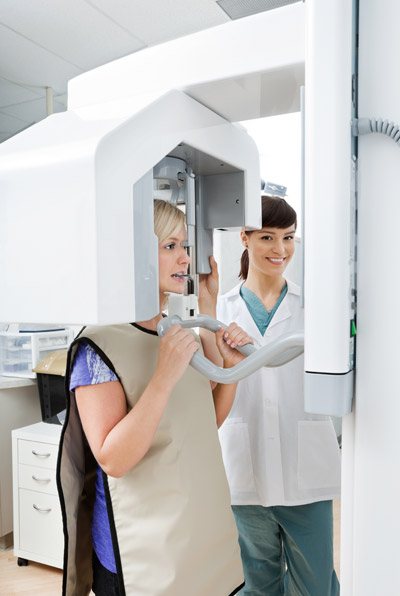
What to Expect
- Corrective jaw surgery is a significant intervention requiring many months of preparation.
- The surgery is performed in the hospital and can last between one to four hours.
- Hospital stays of one to three days are normal.
- Braces are maintained during surgery and may need to be removed six to twelve months after surgery.
- The greatest impact of orthognathic surgery is the recovery phase.
- Patients typically may be off work/school from two weeks to one month after surgery.
- Return to normal chewing function may take 2 months and full
function may take one year.- Our goal is to ensure you are well taken care of during and after surgery.
- Weekly appointments are required for up to two months after surgery.
Frequently Asked Questions
Am I too old for jaw surgery?
Most healthy adults can be candidates for corrective jaw surgery. Treatment is often performed after jaw growth is complete.
Will jaw surgery change my appearance?
Jaw surgery may improve facial balance and symmetry because the jaws are repositioned into a healthier relationship.
Can braces fix my jaw alignment without surgery?
Braces can move teeth, but they cannot correct significant skeletal jaw discrepancies. In some cases, surgery is necessary to achieve proper function.
How long does jaw surgery recovery take?
Initial recovery generally occurs within several weeks, while complete healing and bite stabilization can take several months.
Will I have visible scars after jaw surgery?
Most orthognathic surgery procedures are performed through incisions inside the mouth, leaving no visible facial scars.
Does insurance cover jaw surgery?
Coverage varies depending on your plan and whether the procedure is considered medically necessary. Our team can help review your benefits and discuss financing options.